
NewsNEWS
Featured products
Contact Us
Five times the taxi price has become a consensus in the industry, how many steps are there before flying cars become popular?
2026-07-11The cost per kilometer is about five times that of a taxi, and this number is becoming a tacit bottom line for low altitude travel players. For the eVTOL industry, which has just breathed a sigh of relief in terms of capital and airworthiness, pricing too high discourages Volkswagen, while pricing too low cannot cover the high costs of batteries, infrastructure, and insurance. At present, the hybrid operation mode of “trunk line+branch line” is highly anticipated: focusing on high net worth scenarios such as airport connections and intercity ferries, exchanging time premiums for profit margins, and then reverse diluting supply chain costs.
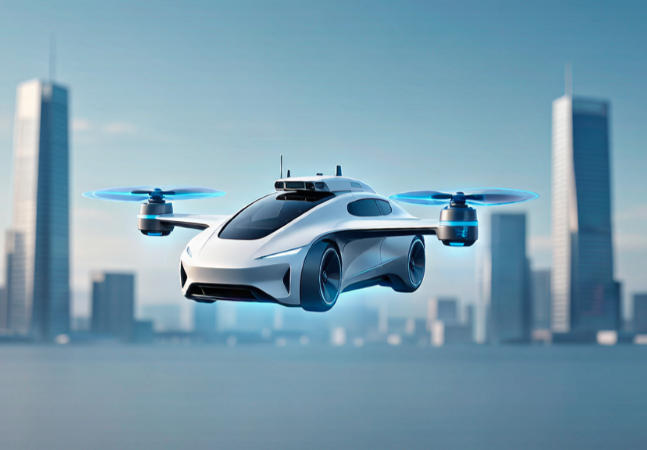
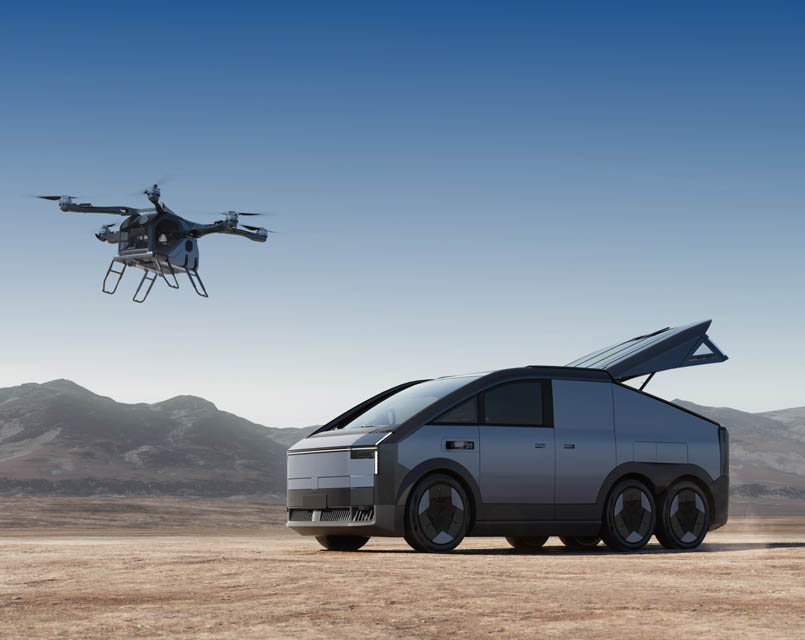
The image was generated by Ai
However, the real obstacle to popularization lies not in the price list, but in the density of vertical takeoff and landing sites, the efficiency of airspace approval, and the public’s psychological security towards “overhead aircraft”. From “toys for the wealthy” to “Airbus”, there are three steep slopes in between: policy relaxation, mutual recognition of airworthiness, and large-scale production. The industry consensus is that around 2030, with breakthroughs in battery energy density, the cost of a single seat is expected to be halved, and only then will flying cars truly touch the boundaries of the public wallet.